
1:1 Eating Disorder Recovery Coaching
You may be unsatisfied with where you are and want something to change. You may want a more unrestricted life—one with more freedom and flexibility—and yet still find yourself pulled back into the same eating disorder patterns each day. This doesn’t mean you aren’t capable of recovering; it means there is something there to be curious about and learning to approach differently.
Why Does Recovery Feel So Hard?

Recovery can feel so incredibly difficult because knowing what to do and actually doing it are two different things. Eating disorders are not just behaviors to stop or thoughts to challenge; over time, they become reinforced patterns that feel protective and necessary to parts of our brain, like a familiar road traveled again and again. Venturing into new territory can feel deeply unsafe to our mind, even when you may intellectually understand that it will lead to greater well-being.
This all can feel even harder when someone is undernourished because undernourishment impacts every system in the body and the brain. When the body does not have enough energy and resources, change can feel threatening and overwhelming. Even when some part of you may want something to change, it makes sense that you may also feel scared, hesitant, and cling to what’s familiar.
Recovery is not only about changing your habits and behaviors (though that is a necessary part). It is also about building the internal and external conditions that allow life to become brighter and more authentic: adequate and consistent nourishment; supportive relationships and belonging; understanding the broader context and adaptive nature of eating disorders, capacity for rest, pleasure, and meeting your needs; accessing agency and choice; and finally feeling safe enough to discover who you are beyond the strategies you’ve had to use to survive.
My Approach
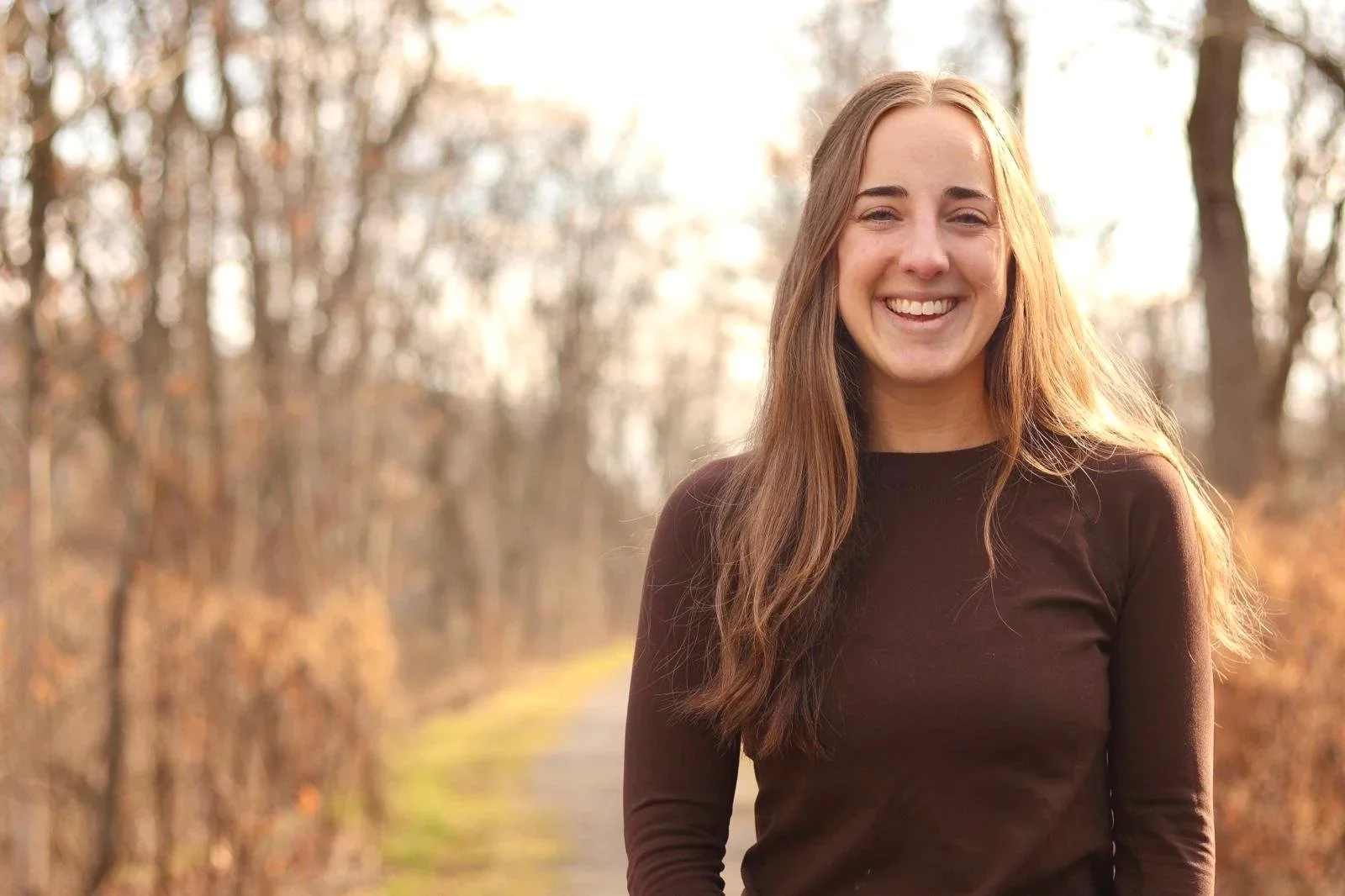
I integrate neuroscience, a biological understanding of eating disorders, and compassion to help you shift into new experiences that support lasting change. I believe you are the expert of your experience and have innate wisdom about yourself. I approach every session with warmth, curiosity, and a willingness to listen. This doesn’t mean I don’t offer practical guidance and feedback; it means I take the time to get to know, and we work together to determine what is right for you.
I don’t believe recovery is just about trying harder. If it was you wouldn’t be here! Many people trying to recover spend so much energy fighting themselves, criticizing themselves, or forcing change only to feel stuck and exhausted. Recovery isn’t just about doing things differently; it’s about changing how we relate to ourselves during the process.
I believe in working with your brain, nervous system, and lived experience instead of against them. That means we get curious about the patterns that show up without treating them as bad or wrong. We make room for ambivalence, hesitance, fear, and uncertaintity about recovery while also supporting your desire for something different.
I work in a way that is collaborative, practical, and goal-oriented. Sometimes we're focused on a really specific recovery challenge, and other times we're looking at the bigger picture of a life that sustains recovery. Taking a trauma-informed approach is not about digging into the past. It is about creating a foundation of mutual respect, choice, and collaboration that supports healing and reduces harm.
What We Practice Together
Working with me offers support in the space between wanting things to change and actually taking your next step. Together, we notice what is happening, get curious, and identify realistic steps that move you towards change. I’m here to offer compassionate support, guidance, and feedback along the way.
Curiosity
We notice what is happening with curiosity. Eating disorder patterns make sense; we can understand their protective function without letting them continue to make every decision!
Safety, Capacity, & Nourishment
Together we work toward unrestricted and unconditional nourishment and making choices from a place of self-care rather than self-control or denial. We build capacity for flexibility, rest, pleasure, and meeting your needs. We focus on creating a sense of safety in the present to provide your brain with disconfirming experiences it needs to move towards what you truly want.
Supported Action
We’ll practice recovery in everyday life. Together, we identify targeted, realistic goals and next steps in the everyday moments and decisions where recovery actually happens: meals, snacks, grocery shopping, rest, daily routines, body image distress, and relationships.
Ways We Can Work Together

-
1:1 coaching sessions provide a space to better understand what is keeping you stuck, build momentum, and move toward meaningful change in recovery. Together, we explore what’s challenging, build resources, navigate barriers with compassion, and identify realistic next steps that align with your goals and values.
Available weekly or biweekly as sessions only or combined with messaging support

-
Recovery doesn’t only happen in sessions and difficult moments don’t happen on a schedule!
Messaging support provides a space to pause and slow down to help you notice patterns and shift out of automatic ways of being. Messaging with me provides encouragement, accountability, collaborative problem-solving, and real-time support when recovery feels especially hard.
-
Sometimes recovery is not about knowing what to do—it is about having support while doing something that feels scary and hard or that a part of us wants to avoid. Research shows that we feel more capable and less pain when we sense we are accompanied by another.
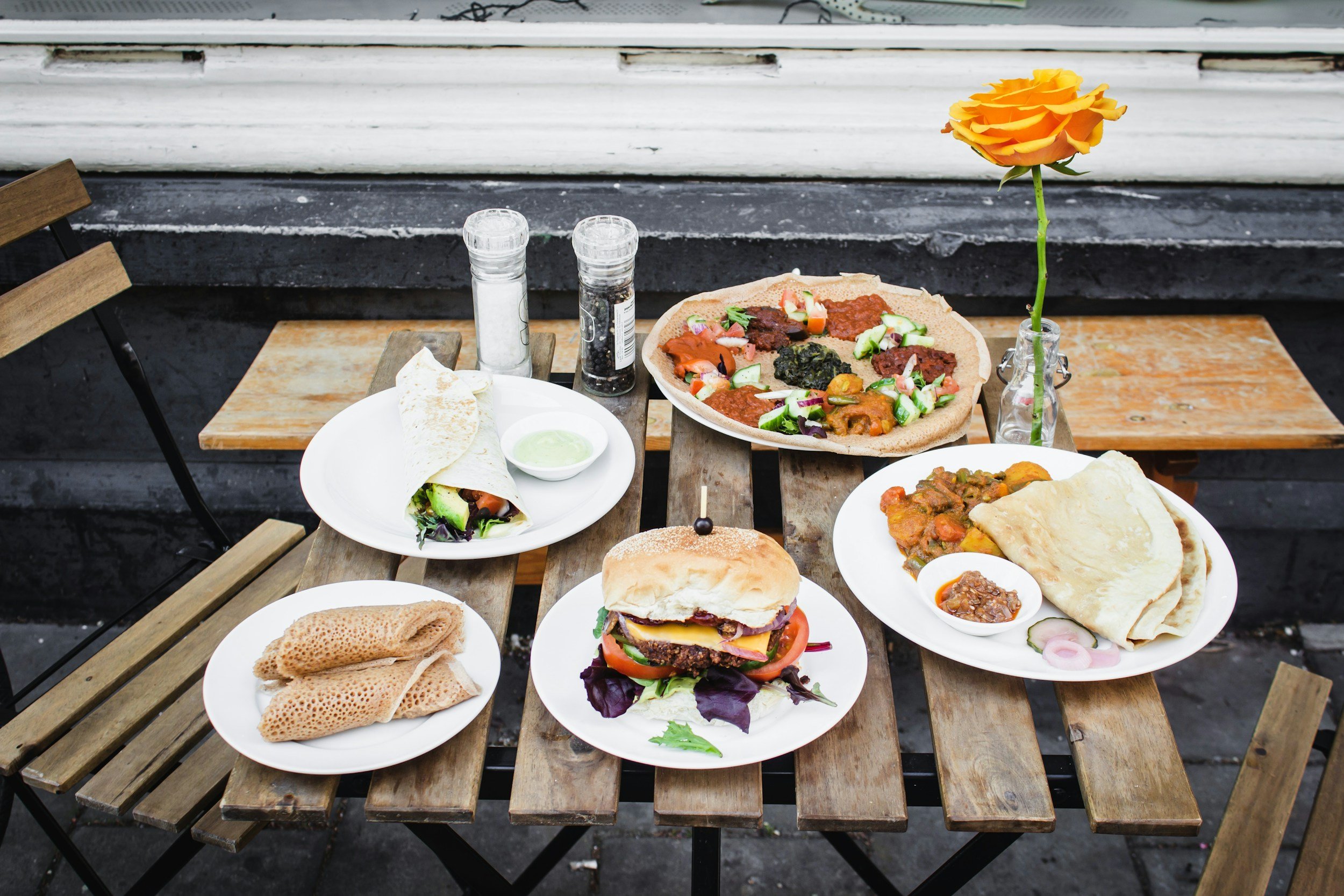
Supported eating sessions with me offer compassionate, real-time support to help bridge the gap between intention and action. Together we create new experiences that help the your system build greater safety, flexibility, and self-trust over time
Pricing
I know support is a meaningful financial commitment. I aim to price my services in a way that is sustainable for this work while also offering a set number of reduced-cost spots to increase access to coaching!
-
Recovery Support Package: $150/week
Includes one 50-minute coaching session per week plus between-session messaging support Monday–Saturday. The time may be split into two 25-minute sessions.
This option may be right for you if you are looking for consistent, steady support practicing recovery between sessions.
How It Works
We start with a free discovery call.
1.
This is a chance to ask questions, share what kind of support you are looking for, and for us to explore together if coaching with me is a good fit. There is no pressure to decide right away.
We choose the level of support right for you.
2.
Most clients meet with me weekly or biweekly with messaging support between sessions. Others use additional check-ins and supported eating sessions when helpful. We figure out together what fits your current needs.
We meet online or in-person when available
3.
I offer coaching virtually, which means you can access support wherever you are. You deserve care that is right for you no matter where you live, and virtual sessions make that possible. I also provide in-person support in central Pennsylvania!
I collaborate with your other providers
4.
If you’re working with a therapist, dietitian, psychiatrist, physician, or other provider, I will collaborate with them to ensure consistency and the highest quality of support. Coaching can complement clinical care by helping you integrate insights and information into your day-to-day life.
We identify what you are moving towards & experiment with new experiences
5.
We work together to turn insight into supported action. We may explore what direction you want to head in, get curious about what is getting in the way, and discover a path forward that is realistic and connected to what truly matters to you.
Schedule a Free Discovery Call
Finding support that feels right for you matters. I offer a free 25-minute discovery call so you can ask questions, share a little about what you are looking for, and get a sense of whether coaching with me feels like the right fit.
Please fill out the form below, and I’ll be in touch within 2 business days!